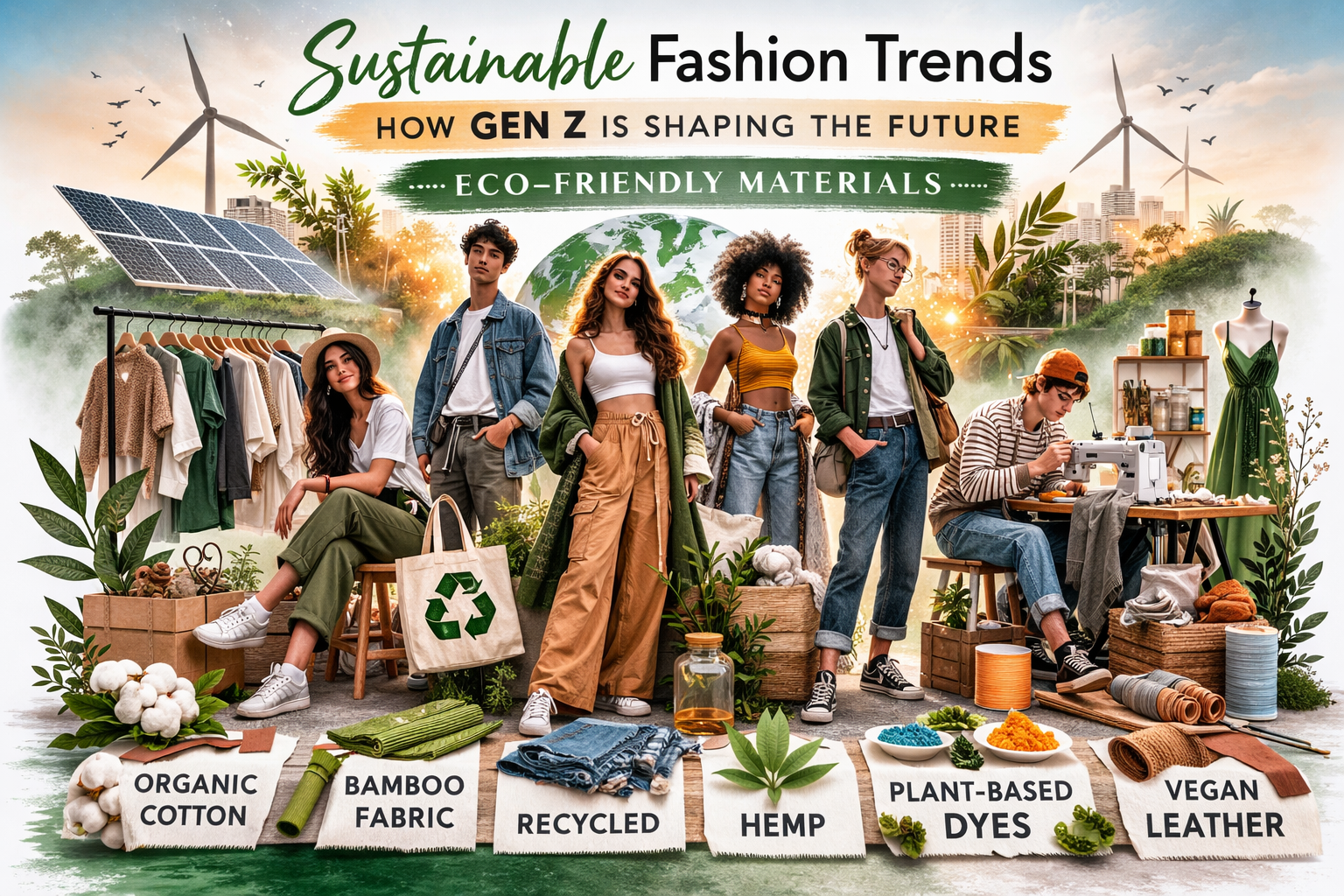
Sustainable Fashion Trends: How Gen Z is Shaping the Future
1- Introduction: Sustainability is the Future
Sustainability is no longer just a buzzword in fashion — it’s the future, especially for Gen Z. This generation is leading the charge toward a greener, more ethical fashion industry. The focus is shifting from fast fashion to eco-friendly materials, upcycled clothing, and ethical brands.
Eco-Friendly Materials
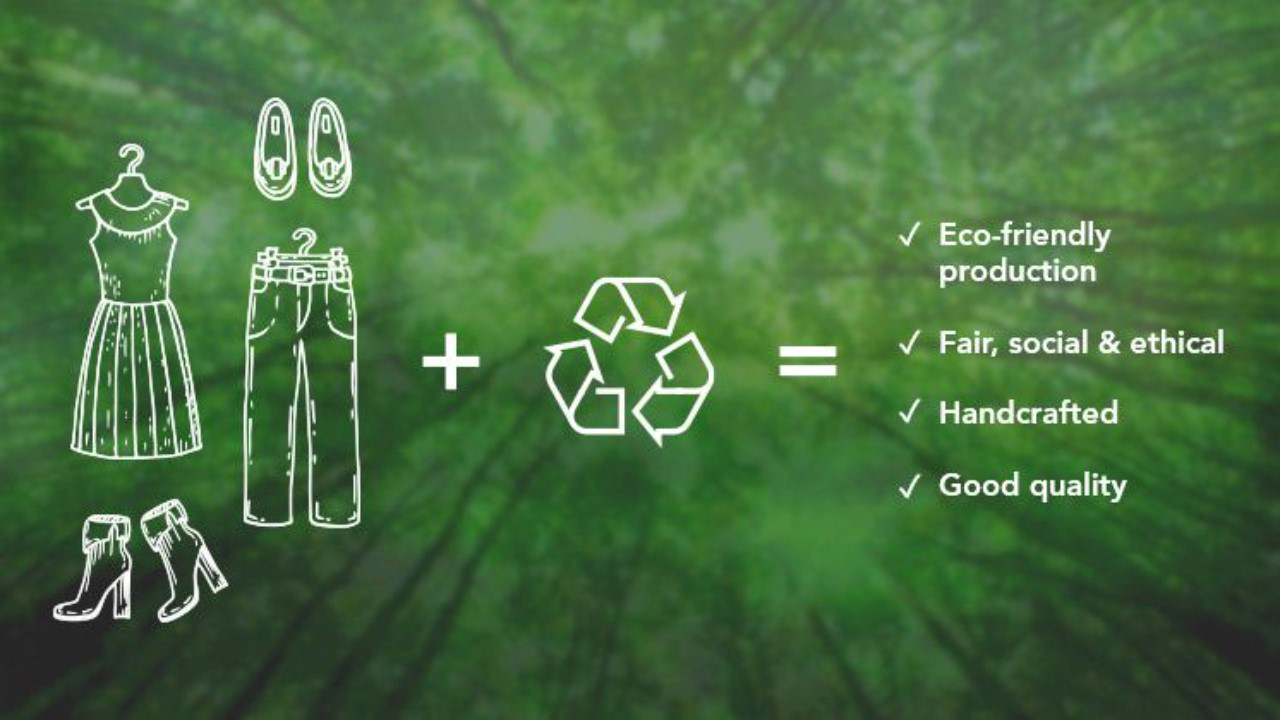
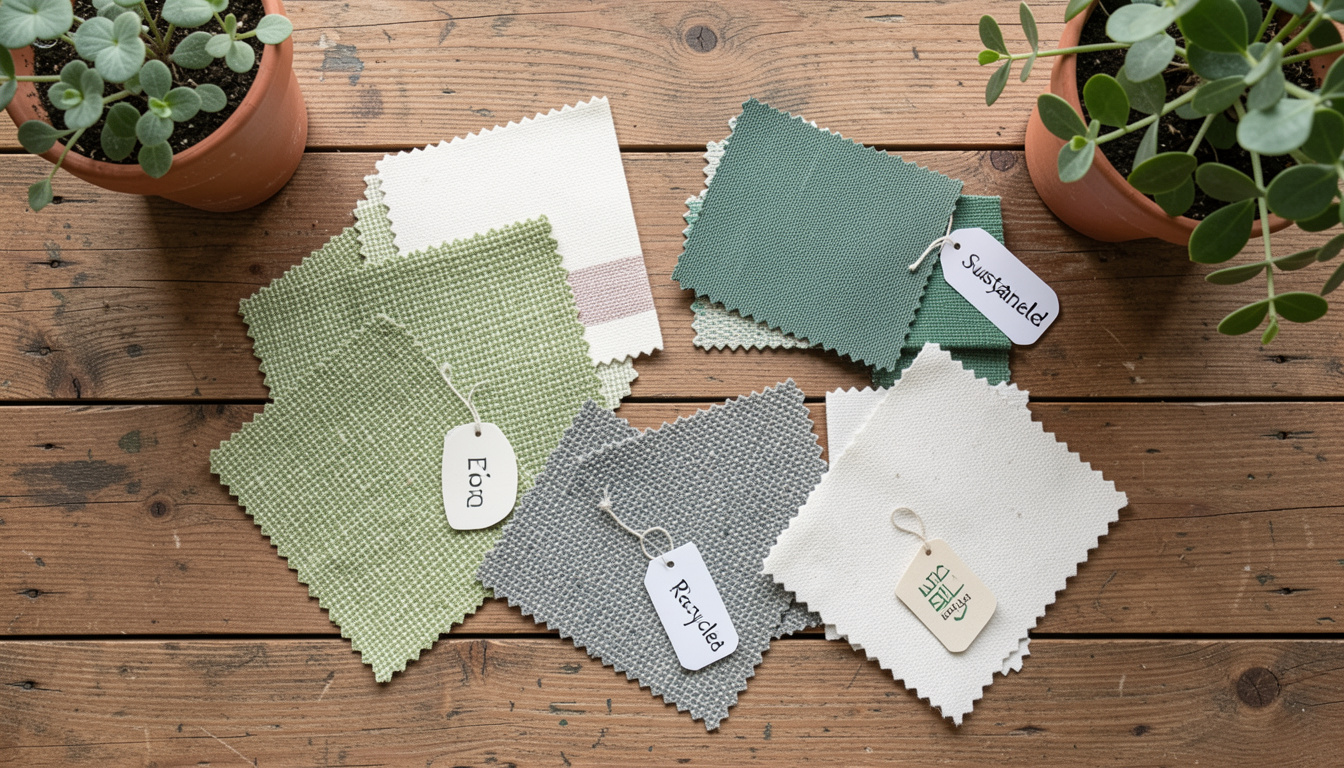
One major trend is the use of eco-friendly materials. Fabrics like organic cotton, recycled polyester, and hemp are becoming the norm because they have less impact on the environment. Gen Z values brands that prioritize sustainable sourcing and production — knowing their clothes are made with the planet in mind.
Upcycling: Giving Clothes a Second Life
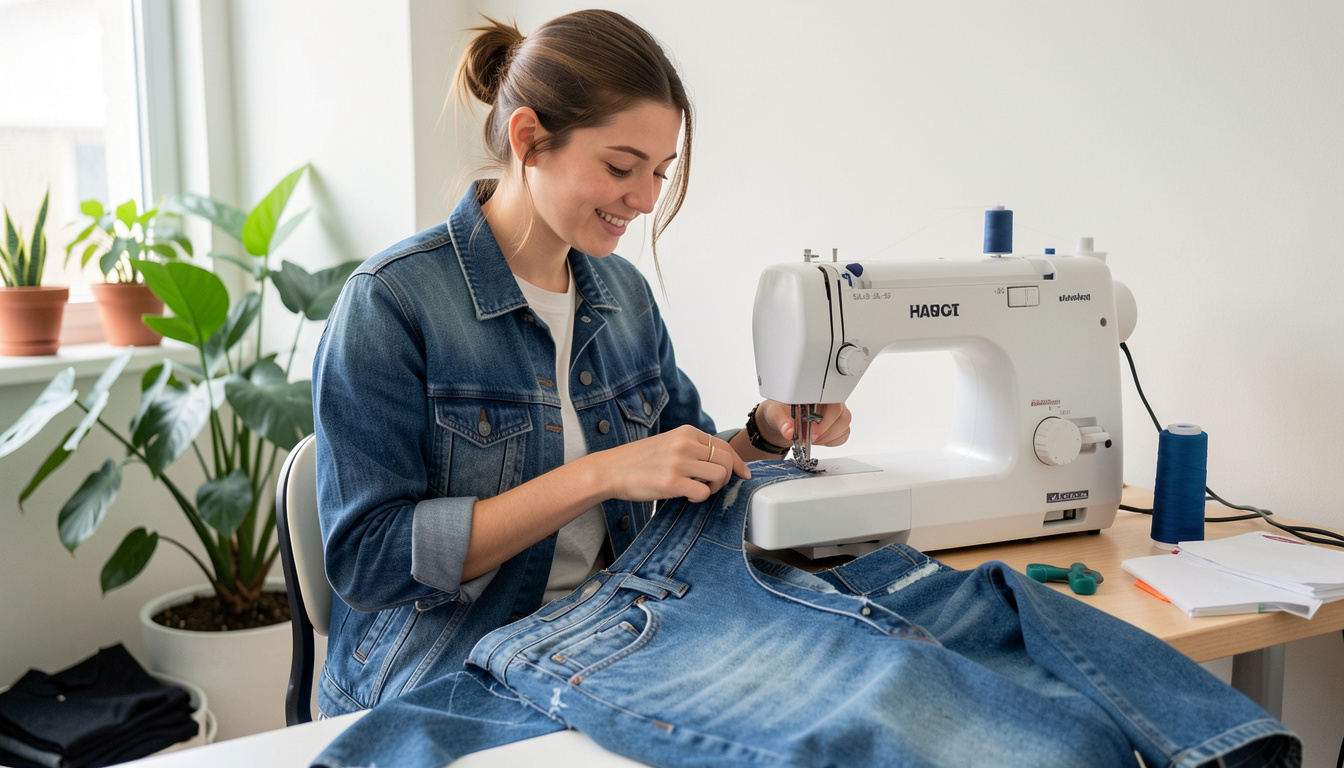
Upcycling is another trend gaining momentum. Instead of tossing old clothes, people are getting creative by repurposing and redesigning them. Whether it’s transforming a vintage jacket or turning old jeans into a trendy new item, upcycling reduces waste and gives clothing a second life.
Ethical Fashion & Transparency
Gen Z also cares deeply about ethical fashion brands. They want transparency about how their clothes are made, including fair labor practices and humane working conditions. Companies that prioritize these values are winning over young consumers who care about both style and ethics.

Final Thoughts
The fashion industry is evolving, and Gen Z is at the heart of this change. By embracing sustainable practices like eco-friendly materials, upcycling, and supporting ethical brands, they’re shaping the future of fashion — one that looks good and feels right for both people and the planet.